

Djanbung Gardens – from cow pasture to permaculture paradise
Robyn Francis shares the story of transforming a 5-acre degraded compacted cow-pasture into a permaculture paradise of international renown. Since opening in 1994, Djanbung Gardens has attracted thousands of students and visitors from all over world.


Purpose designed as a permaculture education centre and living learn-scape, the gardens demonstrate diverse ways permaculture can be applied to practical living, working and production systems. Djanbung Gardens is the home campus of Permaculture College Australia, and home of Robyn Francis, family and community of residential interns.
Visit us to take a self-guided tour with interpretive map.
Wednesday & Saturday
10am-3pm (by donation).
Upcoming Workshops & Courses at Djanbung Gardens
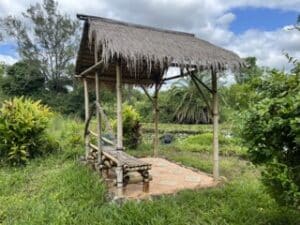
Discover more about Djanbung Gardens and Permaculture – Articles
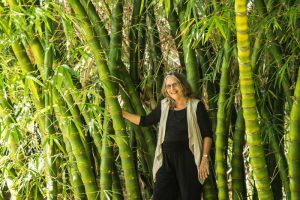
Bamboo in Permaculture with Robyn Francis
I love Bamboo; growing, eating, crafting, building, and listening to the sounds of creaking culms ...
2 Comments
Jun
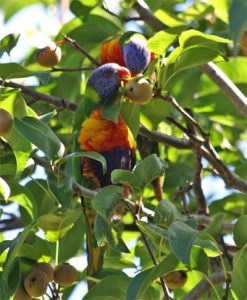
Wildlife – Freeranging at Djanbung
Wildlife is welcome here but not cats or dogs…. It was twenty years ago that ...
Mar
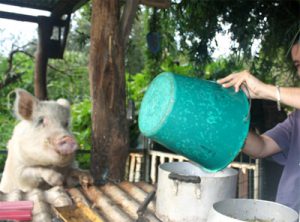
Piggies at Work
Photo journal of a pig tractor garden Pigs are amazing biological ploughs – their snout ...
Oct

Buildings & Technology
Djanbung Gardens buildings are designed according to passive solar principles to be energy efficient and ...
Dec

Edible Landscapes & Gardens
Djanbung Gardens is a botanic gardens of useful, economic and cultural plants within a working ...
Dec

Djanbung Gardens Overview & History
Read about how the home of Permaculture College Australia was founded and developed.
Dec
3 thoughts on “Djanbung Gardens”
Leave a Reply
You must be logged in to post a comment.
Pingback: A handy ‘where to study permaculture’ guide | Permaculture Australia
Pingback: 42 0dd Things to Do in Nimbin, Australia - Oh, Nomad
The cafe is only open for special events and functions. Hope you can make it one of our seasonal Open Days when we offer special workshops, talks, tours and have the cafe open.
The gardens are open Wed and Sat 10am-3pm.